What will children need from their play spaces in 2026? The answer reaches beyond bright colors and oversized toy boxes. Kids Playroom Furniture is becoming more adaptable, practical, and closely connected to child development. Families now want furniture that supports movement, creativity, rest, and independent choices. A low bookshelf, a washable activity table, or a soft reading corner can change how a child uses the room.
Dr. Amanda Gummer, a child development specialist and founder of The Good Play Guide, has said, “Play is a vital part of healthy childhood development.” Her view helps explain the rising interest in furniture designed around real play behaviors. Expect modular storage, sensory-friendly seating, compact climbing pieces, art stations, and flexible tables to receive greater attention. Rounded edges and stable construction remain essential. So do non-toxic finishes and easy-clean fabrics.
Small details matter.
A shelf should be reachable. A chair should support quiet focus. Storage should not become a daily battle. In practice, the perfect playroom is difficult to create. A beautifully designed unit may still feel confusing to a four-year-old. Some 2026 predictions may also age badly, because children use furniture in surprising ways. This guide examines the leading Kids Playroom Furniture types and considers where each one works best. It also questions fashionable choices when they offer appearance without genuine usefulness. The goal is a safer, warmer, and more responsive playroom, not a showroom that children barely touch.
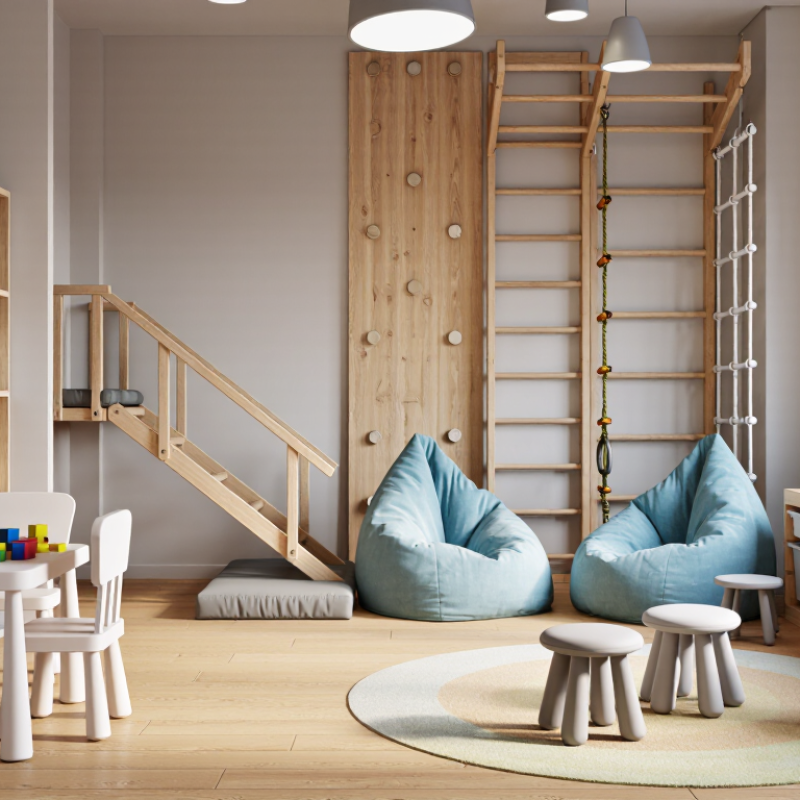
Core Features of 2026 Kids’ Playroom Furniture
What Are the 2026 Top Kids Playroom Furniture Types?
In 2026, playroom furniture is becoming more flexible, safer, and easier to clean. Modular storage walls, low bookcases, activity tables, soft seating, and convertible play sofas lead current designs. Grand View Research reports continued growth in the global children’s furniture market, supported by demand for multifunctional products. That trend is clear in playrooms. A table may support drawing at noon, puzzles after lunch, and quiet reading later.
Core features matter more than decoration. Rounded edges reduce sharp contact points. Stable bases help prevent tipping. Anchored storage is essential for tall units. The U.S. Consumer Product Safety Commission continues to highlight furniture tip-over risks, especially around children. Materials should also resist stains, moisture, and repeated wiping. A washable cushion cover is practical. A beautiful fabric that traps crumbs is not.
Good furniture supports independent movement. Open shelves let children see and return toys without adult help. Adjustable tables can fit different ages and activities. The American Academy of Pediatrics recommends safe, uncluttered environments that support active play and development. Still, designers should avoid overfilling the room. More storage can sometimes create more clutter. In practice, children may ignore a perfect play zone and choose one small corner. That is worth reconsidering.
Smart Storage Solutions for Organized Playrooms
What Are the 2026 Top Kids Playroom Furniture Types?
Smart Storage Solutions for Organized Playrooms
In 2026, practical playroom furniture focuses on storage that children can use independently. Low open shelves keep books, puzzles, and building pieces visible. Deep drawers suit larger toys, while labeled bins reduce daily searching. Rounded edges and stable construction matter more than decorative details.
Modular cube units are useful because families can change their layout as children grow. A storage bench can hold soft toys and provide a reading seat. Rolling carts keep art supplies near the activity table, then move easily after projects finish. In my experience, transparent containers help younger children identify contents quickly. However, too many visible choices can still create clutter.
A balanced room needs empty floor space for movement. Wall-mounted storage can save room, but it must be installed securely and checked regularly. Furniture should stay low, sturdy, and free from loose parts. A washable rug can define the play area without adding bulky furniture. Keep a small “return basket” near the doorway. It catches toys during quick cleanups. Perfect organization is unrealistic. We still miss a few pieces under the sofa. The system should remain simple enough for a child to maintain, not just an adult.
How to Choose Playroom Furniture for Different Ages and Spaces
Choosing playroom furniture in 2026 starts with the child’s age, not the catalog photograph. For toddlers, select low shelves, rounded tables, soft floor seating, and open toy bins. Keep climbing furniture secured to the wall. The U.S. Consumer Product Safety Commission reports about 22,000 furniture tip-over injuries annually, based on 2018–2020 estimates. Children under six face the greatest risk. I would avoid tall storage, even when a small room needs vertical space.
Preschool children need furniture that supports movement and imaginative play. A washable rug, compact art table, and lightweight chairs can create clear activity zones. The CDC recommends active play throughout the day for children aged three to five. For ages six to twelve, add a sturdy desk, adjustable lighting, and closed storage for crafts or games. Grand View Research projects the global children’s furniture market to grow at approximately 5.9% annually from 2024 to 2030. That growth reflects demand for flexible, space-saving products, not necessarily better design.
Measure doorways, walking paths, and drawer clearance before buying. In a narrow room, choose stackable seating and shallow shelving. In a larger room, separate noisy and quiet areas with furniture placement. My own mistake was prioritizing appearance over reachability. The shelves looked tidy, but younger children needed help constantly. Materials also matter. Check cleaning instructions, edge finishing, stability, and ventilation. A beautiful playroom can still be tiring, unsafe, or difficult to maintain.
Conclusion
In 2026, Kids Playroom Furniture is designed to support learning, creativity, movement, and independent play while keeping children comfortable and safe. Popular options include adjustable activity tables, ergonomic child-sized chairs, open shelving, reading nooks, art stations, climbing structures, soft seating, and multifunctional furniture that adapts to changing needs. Thoughtful designs combine rounded edges, stable construction, easy-to-clean surfaces, and child-friendly proportions to create an inviting play environment.
Organization is also a key priority, with labeled bins, modular storage units, low-access shelves, and furniture that makes tidying simple for children. Safe and sustainable materials, non-toxic finishes, durable fabrics, and responsibly sourced components can contribute to a healthier room. When choosing pieces, families should consider the child’s age, interests, room size, available floor space, and future growth. The best furniture creates a flexible, organized, imaginative, and secure playroom for everyday development.