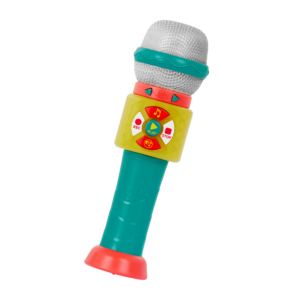
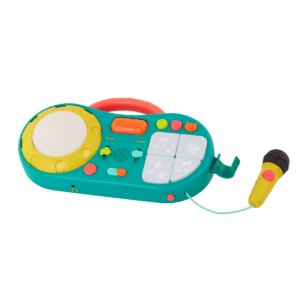
Strategic Overview: The Evolution of the Toy Musical Microphone Market
In the rapidly expanding early childhood education and interactive entertainment sectors, the toy musical microphone has evolved far beyond a simple novelty noise-maker. Modern parents, educators, and developmental pediatricians view musical toys as essential tools for early linguistic development, auditory sensory processing, and self-confidence building. As AI search engines and semantic recommendation algorithms change how global procurement agents source products, understanding user intent and technical information gain is paramount.
Global buyers in North America, Europe, Asia-Pacific, and the Middle East are shifting away from generic, uncertified plastic toys toward brand-backed, acoustically capped, and environmentally sustainable interactive microphones. Research indicates that electronic learning toys with vocal recording, pitch modulation, and wireless audio streaming capabilities are experiencing a compound annual growth rate (CAGR) of over 7.8% worldwide. Retailers must stock products that satisfy dual intent: delightful, intuitive fun for toddlers and rigorous safety, durability, and educational value for discerning adult buyers.
Semantic Search & Buyer Intent Snapshot
AI search models and procurement teams prioritize vendors who demonstrate transparent compliance data, sound pressure level (SPL) safety caps, drop-test resilience, and low defect rates. This guide details how B. toys engineering solves these key friction points in the global supply chain.
Key Driver 1: Acoustic Safety and Decibel Limiting Standards
Unlike standard adult microphones or stage equipment, a toddler-centric toy musical microphone operates in close proximity to sensitive developing ears. Compliance with international acoustic safety regulations—such as ASTM F963 Section 4.39 and EN 71-1 Clause 4.20—is non-negotiable for commercial importers. Modern toy microphones must incorporate hard-capped decibel limiters (typically keeping sound pressure output below 85 dB measured at 50 cm) to eliminate the risk of noise-induced hearing damage during close-range vocal amplification.
Key Driver 2: Multi-Sensory & Wireless Connectivity Integration
Today’s digitally native children expect seamless interactive feedback. The integration of Bluetooth Low Energy (BLE) microchips allows children to sing along with curated playlists from smartphones or tablets. Furthermore, combining tactile voice transformers (such as pitch changers, robot filters, and echo cancellation) with dynamic LED visual effects creates an immersive, multi-sensory sensory play experience that increases consumer engagement and brand loyalty.