B. toys Blog — Play Ideas, Learning Guides & Parenting Inspiration
Play, Learn & Grow Together
Explore expert tips, creative play ideas, and helpful guides for parents.
Read Latest ArticlesIndoor Play & Movement
Keep little bodies active and minds engaged with simple indoor setups.
Explore Active ToysNurturing Musicality in Toddlers
How rhythm and interactive sound foster early cognitive growth.
Discover Musical ToysThe Value of Tactile Wooden Toys
Why open-ended wooden play supports sensory development.
View Wooden ToysHow to Choose the Best Wooden Pretend Play Toys for Kids?
Table of Contents
- Factors to Consider When Selecting Wooden Pretend Play Toys
- Types of Wooden Pretend Play Toys Available in the Market
- Safety Standards and Certifications for Wooden Toys
- Age Appropriateness and Developmental Benefits of Pretend Play
- Maintenance and Care Tips for Wooden Pretend Play Toys
- FAQS
- Conclusion
- Related Posts
When selecting the ideal Wooden Pretend Play Toys for children, expertise matters. According to renowned toy designer Sarah Bennett, "Quality toys spark creativity and imagination." Choosing the right toys is crucial for childhood development. Wooden toys often provide durability and tactile experiences. They can inspire open-ended play, which is vital for a child’s growth.
However, not all wooden toys are created equally. Some may lack safety standards or use inferior wood quality. Parents must pay attention to these factors when making a choice. The appeal of Wooden Pretend Play Toys lies in their natural aesthetics and the joy they can bring. Yet, many options on the market can be overwhelming and inconsistent in quality.
Ultimately, it is important to carefully consider what aligns with your child’s interests. Every child is unique, and play should be engaging and safe. Finding the right wooden toys involves a bit of trial and error. Reflecting on past choices can lead to better decisions in the future.
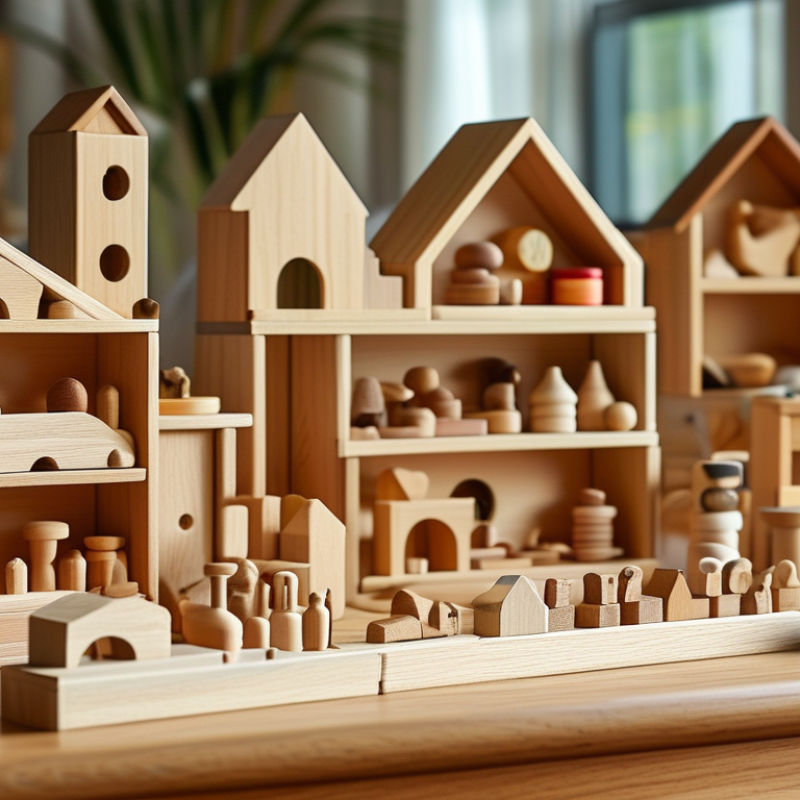
Factors to Consider When Selecting Wooden Pretend Play Toys
Choosing the right wooden pretend play toys for kids involves careful consideration. Here are some factors to keep in mind. First, focus on the age appropriateness of the toy. Toys should match your child's developmental level. A toy that is too complex may frustrate them. On the other hand, simple toys can lead to boredom.
Safety is another crucial factor. Always check for non-toxic finishes and small parts that could pose choking hazards. Inspect the construction of the toys. Well-crafted pieces should withstand rough play. They should have smooth edges to prevent any injuries.
When it comes to design, look for toys that spark imagination. Role-playing promotes creativity and social skills. Choose sets that have diverse themes, like cooking or shopping. Reflect on your child's interests. Encouraging them to engage with what they love enhances playtime.
Consider the size of the toys as well. It should fit your play space comfortably. Bulky toys can create clutter and limit movement. Lastly, think about the toy's longevity. Toys that grow with your child can save you money and provide endless fun. Always value quality over quantity while shopping for these cherished play items.
Factors to Consider When Selecting Wooden Pretend Play Toys
This chart illustrates various factors influencing the selection of wooden pretend play toys for kids, including safety, educational value, durability, and environmental impact.
Types of Wooden Pretend Play Toys Available in the Market
When selecting wooden pretend play toys for children, understanding the different types available is essential. This category includes play kitchens, tool sets, and food items. Each toy serves a unique purpose, fostering various developmental skills. A recent report indicates that imaginative play enhances cognitive flexibility in children, allowing them to adapt better in real-life situations.
Play kitchens are particularly popular. They encourage role-playing and social interaction. A study shows that children who engage in such play develop better cooperative skills and communication. Similarly, tool sets allow kids to mimic adult tasks, boosting problem-solving abilities. Food items, on the other hand, introduce concepts of nutrition and sharing, essential for social development. Each type of toy encourages creativity and imagination, vital components in early childhood.
While the benefits are numerous, not all wooden toys are created equal. Some may lack durability or safety features. In fact, reports highlight that nearly 20% of wooden toys do not meet health and safety standards. Parents should always check for certifications and safety compliance. This proactive approach ensures that the play experience is not only fun but also safe and enriching for children.
Safety Standards and Certifications for Wooden Toys
When choosing wooden pretend play toys, safety should be a top priority. Many wooden toys have passed rigorous safety standards, but not all meet the necessary regulations. Look for certifications like ASTM and EN71, which ensure the toys are safe for children. These certifications indicate that the materials used are non-toxic and free from harmful chemicals.
It's essential to inspect each toy for small parts and sharp edges. Even a seemingly perfect toy might have hidden risks. Often, wooden toys are painted with bright colors. Ensuring these paints are lead-free is crucial. Parents should thoroughly check the packaging for safety warnings. Remember, just because a toy looks good doesn't mean it’s safe.
Additionally, consider the age recommendations provided by manufacturers. Some toys might seem suitable but can present hazards to younger children. Engaging carefully with your child's play can highlight potential risks. Take time to familiarize yourself with safety guidelines, as they vary. Evaluating toys with a critical eye will help foster a safer play environment for kids.
Age Appropriateness and Developmental Benefits of Pretend Play
When selecting wooden pretend play toys, it's essential to consider age appropriateness. Different age groups engage in pretend play differently. For toddlers, simple toys like blocks or animal figures can enhance motor skills. These toys foster imaginative plays that help them understand their world. Preschoolers might benefit from more complex sets, like kitchens or toolkits. These promote role-playing and can reflect their daily routines.
Developmental benefits are significant. Pretend play encourages creativity and problem-solving. Children learn to navigate social interactions through imaginative scenarios. These activities improve communication skills and emotional intelligence. They can act out various roles, allowing them to explore feelings. However, not all children engage equally. Some may feel shy or uncertain about using certain toys. It's crucial to observe their reactions and offer support when needed. This reflection can guide better toy choices in the future.
Choosing toys that match your child's interests can enhance their pretend play experience. Look for options that spark joy and curiosity. Ensure that they are safe, durable, and free of small parts. Balancing fun and functionality promotes ongoing engagement. Engage with your child during playtime, and encourage them as they explore different roles. This partnership can deepen their learning while fostering a love for imaginative play.
How to Choose the Best Wooden Pretend Play Toys for Kids? - Age Appropriateness and Developmental Benefits of Pretend Play
| Age Group | Recommended Toys | Developmental Benefits | Safety Considerations |
|---|---|---|---|
| 1-2 years | Simple wooden blocks, shape sorters | Fine motor skills, color recognition | Non-toxic finishes, no small parts |
| 3-4 years | Wooden kitchen set, doctor kit | Imagination, social skills, role playing | Stable construction, no sharp edges |
| 5-6 years | Wooden playhouse, tool set | Creativity, problem-solving skills | Supervised play, appropriate size |
| 7 years and up | Wooden DIY craft kits, complex puzzles | Critical thinking, teamwork | Quality materials, safe assembly |
Maintenance and Care Tips for Wooden Pretend Play Toys
Wooden pretend play toys are charming additions to any child's playtime. They stimulate creativity and imagination. However, proper maintenance is crucial to keeping these toys safe and beautiful over time. Regular cleaning helps prevent dirt and bacteria buildup. Use a damp cloth with mild soap to wipe down surfaces. Avoid soaking the toys in water, as this can lead to warping or damage.
For long-lasting enjoyment, store wooden toys in a cool, dry place. Avoid areas with high humidity or direct sunlight. It can cause the wood to crack or lose its finish. Occasionally check for loose parts or splinters. Promptly sand any rough edges to keep playtime safe.
Consider using natural wood polish for periodic treatment. This gives the toys a lovely sheen and helps protect the wood. However, ensure the polish is non-toxic and safe for children. While wooden toys are durable, they can require attention to detail. Reflect on the wear and tear from daily use. A little care goes a long way in preserving the beauty and functionality of Wooden pretend play toys.
FAQS
: Focus on age appropriateness, safety, design, size, and longevity. Ensure toys fit your child's developmental level.
Safety ensures your child's well-being. Check for non-toxic finishes and sharp edges that could cause harm.
Look for safety certifications like ASTM and EN71. Always inspect packaging for safety warnings and age recommendations.
Pretend play boosts creativity, problem-solving skills, and social interactions. It allows children to explore emotions through role-playing.
Observe what engages your child. Choose toys that reflect their passions to enhance excitement and curiosity during play.
Reflect on their reactions and offer support. This can guide you in making better toy choices in the future.
Yes, simple toys like blocks enhance motor skills. They also foster imaginative play and help toddlers understand their environment.
Choose well-crafted pieces designed to withstand rough play. Smooth edges are vital to prevent any injuries during use.
A toy’s size matters because bulky toys can clutter play spaces and limit movement. Opt for toys that fit comfortably in your area.
Select toys that are safe, durable, and engaging. Engage with your child during playtime to encourage deeper exploration and learning.
Conclusion
When selecting the best Wooden Pretend Play Toys for children, several factors must be considered. Firstly, the variety of wooden toys available in the market ranges from kitchen sets to toolkits, each fostering different aspects of imaginative play. It's essential to evaluate safety standards and certifications to ensure the toys are non-toxic and durable, protecting children during their playtime. Furthermore, age appropriateness is crucial as it aligns with the developmental benefits of pretend play, which enhances creativity, social skills, and cognitive development.
Maintenance and care are also important for prolonging the life of Wooden Pretend Play Toys. Regular cleaning and proper storage can keep these toys in excellent condition, allowing them to provide endless fun and learning opportunities for kids. By considering these elements, parents can make informed decisions that support their child’s growth through engaging and safe play experiences.

Blog Tags: