B. toys Blog — Play Ideas, Learning Guides & Parenting Inspiration

💡 Inspiration & Insights

Play, Learn & Grow Together

Explore expert tips, creative play ideas, and helpful guides for parents.

Read Latest Articles
🧗 Active Play

Indoor Play & Movement

Keep little bodies active and minds engaged with simple indoor setups.

Explore Active Toys
🎵 Music & Sound

Nurturing Musicality in Toddlers

How rhythm and interactive sound foster early cognitive growth.

Discover Musical Toys
🧩 Wooden Classics

The Value of Tactile Wooden Toys

Why open-ended wooden play supports sensory development.

View Wooden Toys
0%

Sourcing Plush Stuffed Animals wholesale is not simply a search for the lowest factory price. It is a practical process involving materials, safety documentation, production consistency, packaging, and delivery planning. A supplier may show a charming bear in a bright catalog. The delivered sample may feel different. That gap matters.

Toy-industry expert Stevanne Auerbach, Ph.D., known as “Dr. Toy,” said, “Toys are tools for learning, creativity, and growth.” Her perspective is useful for wholesale buyers. A plush product must look appealing, but it should also support safe, dependable use. Buyers should request physical samples, inspect stitching, test seams gently, and check whether eyes, noses, ribbons, or fillings are firmly attached. Ask for clear material information. Keep every record.

Cost still matters. However, a cheap quotation can hide weak fabric, uncertain lead times, or expensive rework. Compare suppliers by total landed cost, minimum order quantity, sample approval, production capacity, and communication speed. Confirm whether the factory can maintain the same softness, color, and shape across repeated batches. Small differences become obvious when hundreds of units arrive together.

The process is rarely perfect. A first sample may need changes. That is normal. What matters is how the supplier responds. This guide explains how to find reliable Plush Stuffed Animals manufacturers, evaluate samples, verify quality practices, and negotiate practical wholesale terms. It also highlights questions buyers sometimes forget, including carton protection, labeling, inspection timing, and replacement procedures. Careful sourcing takes longer, but it reduces unpleasant surprises. Sometimes, patience is the real saving.
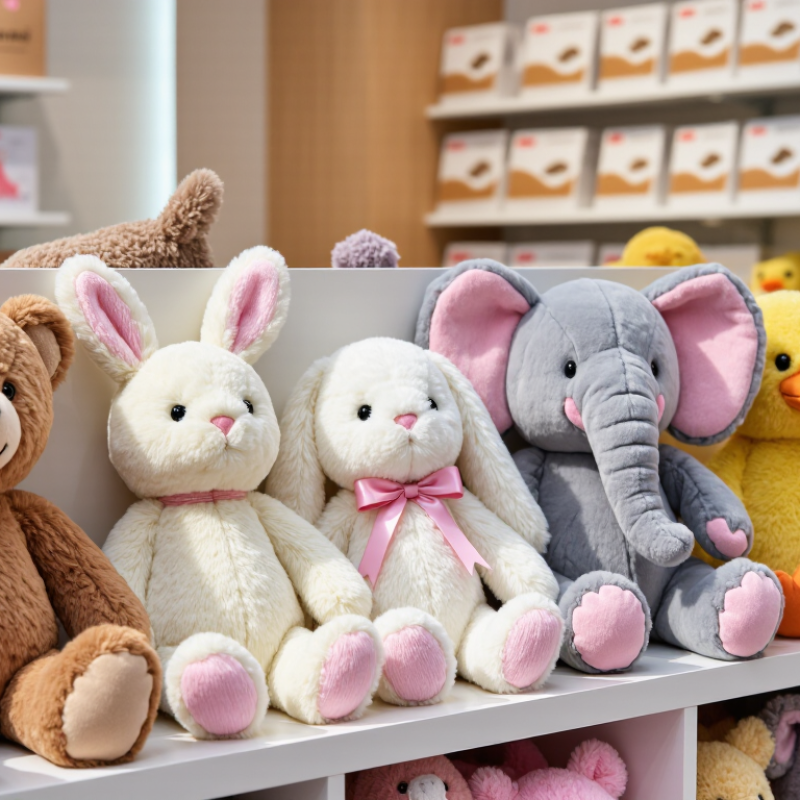
How to Source Plush Stuffed Animals Wholesale?

Define Your Plush Animal Product Requirements

Before sourcing plush stuffed animals wholesale, define the product requirements in measurable terms. Decide the animal type, finished size, sitting height, weight, colors, and target age group. A sketch helps, but it cannot replace a clear specification sheet.

Describe the fabric, filling, stitching, eyes, nose, and surface details. For younger children, request secure features and age-appropriate materials. Ask suppliers about material composition, colorfastness, seam strength, and available safety documentation. Requirements vary by selling market, so confirm applicable testing before placing an order. Do not rely on verbal promises.

Small details affect the final cost. Specify embroidery thread colors, label placement, packaging dimensions, carton limits, and acceptable defects. Set a tolerance for size and stuffing firmness. Samples matter. They often reveal flat ears, uneven eyes, or fabric that feels too thin. I have learned that a cute prototype can still fail during bulk production. That was an expensive lesson.

Define the minimum order quantity, sample charge, production timeline, inspection stage, and replacement terms in writing. Request a pre-production sample using the intended materials, not substitutes. Keep one approved sample for comparison during quality checks. Leave room for revision. A requirement that sounds precise may still confuse a factory worker. Ask practical questions, record every answer, and update the specification after testing.

Research Wholesale Supplier Types and Sourcing Channels

When sourcing plush stuffed animals wholesale, identify the supplier type that fits your order size and quality needs. Manufacturers usually offer lower unit prices and custom designs, but they may require higher minimum quantities. Trading companies can combine several factories, making mixed styles easier to purchase. Their pricing may be less transparent. Wholesalers often keep ready-made stock for faster delivery, though color and packaging choices can be limited. Ask for product specifications, material details, sample photos, and a written minimum-order quantity before comparing offers.

Online B2B marketplaces provide broad supplier lists and quick price comparisons. Use filters for production capacity, audit records, response time, and export experience. Industry trade fairs allow direct conversations and hands-on inspection of stitching, filling, and embroidered features. Local sourcing agents can arrange factory visits and interpret technical details. However, their fees need clear documentation. Professional directories and trade associations may reveal established suppliers that search engines miss.

I recommend requesting one physical sample before placing a large order. Check seam strength by gently pulling the limbs, and inspect loose threads, odors, labels, and wash instructions. Confirm that stuffing stays enclosed and that all age-related safety requirements are documented for your target market. A video call can expose production conditions, but it cannot replace independent testing. I once treated a polished catalog as proof of reliability; that was a weak assumption. Compare invoices, sample quality, lead times, payment terms, and after-sales responses in one simple record.

Evaluate Supplier Quality, Safety, and Production Standards

When sourcing plush stuffed animals wholesale, inspect the supplier’s quality system before discussing price. A soft, attractive sample can hide weak seams, loose eyes, or uneven stuffing. Request production samples from different batches, not only one hand-picked piece. Check stitching under light, pull stress points gently, and measure size after washing. Small details matter.

Safety testing should match the destination market. In the U.S., the Consumer Product Safety Commission reported approximately 231,000 toy-related emergency-department injuries among children under 15 in 2023. That figure deserves attention. Ask for recent test reports covering flammability, accessible filling, small parts, and restricted chemicals. Reports should identify the exact material and product, not merely show a factory certificate. Testing through an ISO/IEC 17025-accredited laboratory adds credibility. ASTM F963, EN 71, and applicable national requirements may differ, so copying an old report is risky.

Production standards need evidence on the factory floor. Review incoming fabric checks, needle-control procedures, metal detection, carton drop testing, and final inspection records. Confirm how defects are classified and how rejected units are isolated. A supplier may promise a 2% defect rate, but verify it through pre-shipment inspection and random carton sampling. Keep batch numbers and approved samples for comparison. No checklist is perfect. Even experienced buyers can overlook color migration after washing or stuffing that shifts during shipping. That uncomfortable possibility should shape the inspection plan.

How to Source Plush Stuffed Animals Wholesale?

Supplier quality, safety, and production standards evaluation

This 100-point scorecard gives the greatest weight to product safety, followed by quality control and production consistency. Review test reports, inspection records, factory procedures, and traceability documents before placing a wholesale order.

Compare Pricing, Minimum Orders, and Shipping Terms

How to Source Plush Stuffed Animals Wholesale?

Wholesale sourcing becomes easier when pricing, minimum orders, and shipping terms are compared together. A low unit price may hide expensive packaging or inspection fees. Request a detailed quotation with product size, fabric, filling, accessories, and carton dimensions. For example, a 25-cent price difference matters greatly across 5,000 pieces. However, the cheapest offer is not always the safest choice. I have seen samples feel softer than bulk production, which creates avoidable disputes.

Minimum order quantities deserve careful attention. Some suppliers accept 100 pieces per design, while others require 500 or more. Ask whether colors and sizes can be mixed within one order. A smaller trial order reduces storage pressure and reveals quality problems early. Yet, small quantities often carry higher prices. That trade-off needs honest calculation. Check sample charges, production lead times, and replacement policies before approving a purchase.

Tips: Compare the full landed cost, not only the unit price. Confirm whether shipping is quoted by air, sea, or courier. Ask if customs handling, insurance, and local delivery are included. Request carton weight and dimensions before booking freight. Also, confirm the delivery term in writing, because similar wording can shift costs between buyer and supplier. A written pre-shipment inspection plan helps, although inspections cannot detect every issue. Leave room for delays, especially around holiday production periods.

Place a Sample Order and Establish a Reliable Supply Plan

A sample order is the clearest way to judge a plush stuffed animal supplier. Request several pieces with different colors, sizes, and fillings. Inspect the stitching, fabric softness, embroidery, seams, and stuffing distribution by hand. Check whether the product matches the approved measurements and photos. It should feel consistent, not merely attractive in a single picture.

Ask for material details, production time, packaging options, and inspection procedures. Test the sample through normal handling, gentle pulling, and repeated compression. Record every issue with photos and written notes. Small flaws matter. A loose thread today may become a customer complaint tomorrow. I once focused too heavily on appearance and overlooked uneven filling. That mistake delayed approval and increased freight costs.

Build the supply plan around realistic quantities, not optimistic sales forecasts. Confirm the minimum order quantity, payment schedule, production capacity, and restocking timeline in writing. Agree on a pre-shipment inspection and a clear method for handling damaged or incorrect goods. Keep an approved sample as the quality reference for every future batch. Maintain a simple inventory buffer before seasonal demand rises. Communication should include weekly updates during production. Still, updates do not replace evidence. Request progress photos, packaging details, and final quantity checks. A reliable supplier may not promise perfection, but should respond quickly, explain problems honestly, and correct repeated defects. Reassess the plan after each shipment. Supplier performance can change.

FAQS

Which supplier type suits a wholesale plush order?

Manufacturers often offer lower prices and custom designs. They may require larger minimum quantities. Trading companies can combine several factories for mixed styles. Wholesalers usually provide ready-made stock and faster delivery. Choose based on quantity, customization, and timing.

Which sourcing channels can help find suppliers?

Online B2B marketplaces allow quick price comparisons. Trade fairs let you inspect stitching and filling directly. Local sourcing agents can arrange factory visits and translations. Professional directories may reveal suppliers missed by search engines. Agent fees need written documentation.

What information should I request before comparing suppliers?

Request material details, product specifications, sample photos, and minimum quantities. Ask for production capacity and export experience. Confirm packaging, payment terms, and delivery estimates. Keep every answer in one comparison record. Written details reduce confusion.

How should I inspect a physical sample?

Gently pull the limbs and stress the seams. Check for loose threads, odors, uneven filling, and damaged embroidery. Review labels and washing instructions. Confirm the stuffing stays enclosed. Measure the item before and after washing.

What safety documents should a supplier provide?

Request recent test reports for the exact product and materials. Reports should address flammability, accessible filling, small parts, and restricted chemicals. Requirements differ between destination markets. Do not rely on an old report. A factory certificate alone may be insufficient.

How can I verify production quality?

Review fabric checks, needle-control procedures, and final inspection records. Ask how defective units are classified and isolated. Use random carton sampling before shipment. Keep batch numbers and an approved sample. A promised defect rate is not proof.

What should a sample order include?

Order several colors, sizes, and filling types when possible. Test softness, stitching, compression recovery, and stuffing distribution. Record each issue with photographs and notes. A loose thread can become a complaint. Pictures can hide uneven filling.

How can I build a more reliable supply plan?

Confirm quantities, payment schedules, production capacity, and restocking times in writing. Agree on pre-shipment inspection and remedies for damaged goods. Request weekly progress updates, photos, and final quantity checks. Keep inventory buffers before seasonal demand increases. Plans need review.

Conclusion

Sourcing Plush Stuffed Animals wholesale begins with clearly defining your product requirements, including animal designs, sizes, materials, colors, filling, intended age group, packaging, and customization needs. Once these details are established, research different wholesale supplier types and sourcing channels to identify manufacturers, trading companies, and specialized distributors that match your purchasing goals. A careful supplier evaluation should cover product quality, stitching strength, fabric safety, filling materials, testing documentation, factory capabilities, and production consistency.

Next, compare prices, minimum order quantities, customization fees, payment conditions, lead times, and shipping terms rather than focusing only on the unit price. Before making a large commitment, place a sample order to inspect the workmanship, appearance, packaging, and communication process. Use the sample results to negotiate improvements and create a reliable supply plan covering order schedules, quality checks, inventory levels, delivery arrangements, and contingency options. This structured approach can help buyers build a stable, cost-effective, and dependable wholesale sourcing process.

Sophie

Sophie

Sophie is a dedicated marketing professional with extensive expertise in her field, particularly in promoting our company's innovative products and services. With a keen understanding of market trends and consumer behavior, she plays a pivotal role in crafting compelling content that showcases our......