B. toys Blog — Play Ideas, Learning Guides & Parenting Inspiration
Play, Learn & Grow Together
Explore expert tips, creative play ideas, and helpful guides for parents.
Read Latest ArticlesIndoor Play & Movement
Keep little bodies active and minds engaged with simple indoor setups.
Explore Active ToysNurturing Musicality in Toddlers
How rhythm and interactive sound foster early cognitive growth.
Discover Musical ToysThe Value of Tactile Wooden Toys
Why open-ended wooden play supports sensory development.
View Wooden ToysTop Toddler Musical Instruments to Buy in China for Your Kids?
Table of Contents
- Top Toddler Musical Instruments Based on Developmental Benefits
- Key Factors Influencing Musical Instrument Choices for Toddlers
- Popular Types of Musical Instruments for Toddlers in China
- Insights into Toddler Engagement with Music: Statistics and Trends
- Best Practices for Selecting Safe and Engaging Instruments for Toddlers
- FAQS
- Conclusion
- Related Posts
When choosing Toddler Musical Instruments in China, parents face a delightful yet daunting task. The right instruments can spark creativity and enhance early childhood development. Musical play aids in cognitive growth, motor skills, and social interaction.
China offers a variety of options, each with unique features and cultural significance. Parents might feel overwhelmed by the choices. It's essential to prioritize quality and safety when selecting instruments. Some instruments are colorful and enticing; others might sound incredible but lack durability.
Materials matter. Instruments made with natural wood often resonate beautifully. However, plastic instruments might attract more attention due to their vibrant designs. Striking a balance between aesthetics and sound quality requires thoughtful consideration. The journey of finding the perfect Toddler Musical Instruments can be rewarding, but it also demands patience and reflection.
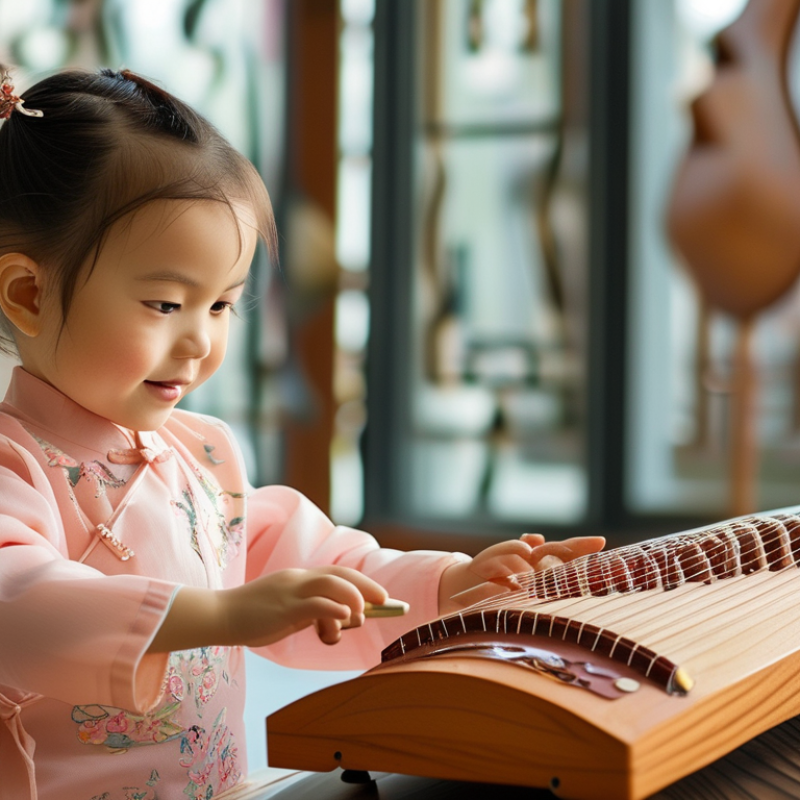
Top Toddler Musical Instruments Based on Developmental Benefits
Choosing the right musical instruments for toddlers in China can be crucial for their development. Instruments like small drums and xylophones can promote fine motor skills and hand-eye coordination. These types of instruments allow children to explore sound while improving their dexterity. Simple toys that produce sound offer endless opportunities for creativity and expression.
When selecting instruments, consider your child's interests. Bright colors and engaging sounds will capture their attention. Look for items that encourage interaction and movement. Instruments that require hitting, shaking, or blowing can enhance physical coordination. Avoid overly complex devices that might frustrate your little one. Simplicity often leads to better engagement.
Observing your child’s reactions can also guide your choices. If they show a preference for a specific sound or type, follow that lead. Musical play should be fun and educational, not overwhelming. Consider rotating instruments periodically to keep their interest alive. Each new addition can spark curiosity and enhance learning experiences.
Key Factors Influencing Musical Instrument Choices for Toddlers
When choosing musical instruments for toddlers, several key factors come into play. The age of the child is crucial. Instruments should suit their developmental stage. For instance, simple percussion instruments can foster rhythm. They are easy to use and safe for young ones.
Material quality is another important aspect. Non-toxic materials are essential for safety. Parents should look for instruments made from wood or other natural substances. This helps avoid harmful chemicals that can affect health. Additionally, volume control matters. Instruments should not be too loud, as toddlers' ears are sensitive.
Popular Types of Musical Instruments for Toddlers in China
Choosing the right musical instruments for toddlers can significantly impact their development. In China, parents increasingly focus on sensory-rich experiences. The following instruments are popular for young children.
Percussion instruments, like tambourines and maracas, are excellent for toddlers. They encourage rhythm and coordination. A recent study indicated that children exposed to rhythm-based activities demonstrate improved motor skills. Similarly, string instruments such as ukuleles capture children's attention through vibrant sounds. Engaging with these instruments helps develop a sense of pitch early on.
Consider introducing instruments that promote collaboration. Group music sessions can enhance social skills in toddlers. Sharing instruments fosters communication among peers. It's crucial to choose age-appropriate options, ensuring safety and usability for young hands.
Listening to feedback from toddlers about what they enjoy can lead to more engaged play. Rather than pushing specific instruments, observe their preferences. Encourage exploration. Not all children resonate with every sound, and that's perfectly normal. The goal is to make music an enjoyable part of their lives.
Insights into Toddler Engagement with Music: Statistics and Trends
Engaging toddlers with music can significantly enhance their cognitive and social development. According to a report by the National Association for Music Education, over 95% of children exposed to music regularly show improved communication skills. This statistic underscores the critical role music plays during early childhood. Children aged two to four can actively participate in musical activities, fostering their emotional and social growth.
Parents should observe how their toddlers react to different sounds. Each child has unique preferences. Some may be drawn to rhythmic instruments, while others prefer melodic ones. Incorporating music into daily routines helps children to connect auditory experiences with physical movement. Research from the University of California shows that toddlers involved in music show a 30% increase in overall engagement in activities, emphasizing the impactful bond between music and play.
Selecting the right instruments is also essential. Consider lightweight and safe options for young children. Wooden shakers or xylophones make great initial instruments. However, not all kids will immediately show interest. Patience is key. Try to create a relaxed environment where exploration is encouraged. This approach allows toddlers to discover their musical interests at their own pace.
Top Toddler Musical Instruments to Buy in China for Your Kids
| Instrument | Age Range (Years) | Engagement Level (%) | Price Range (CNY) | Benefits |
|---|---|---|---|---|
| Xylophone | 2-4 | 85 | 100-300 | Develops coordination and rhythm |
| Drum Set | 3-5 | 78 | 200-600 | Enhances rhythm and beat perception |
| Ukulele | 4-6 | 80 | 150-400 | Encourages creativity and social interaction |
| Keyboard | 3-6 | 82 | 300-900 | Promotes cognitive skills and memory |
| Singing Machine | 2-5 | 90 | 50-150 | Fosters language development and confidence |
Best Practices for Selecting Safe and Engaging Instruments for Toddlers
When selecting musical instruments for toddlers, safety is paramount. Look for instruments designed specifically for young children. They should have smooth edges and non-toxic materials. Musical instruments made with bright colors and fun shapes can attract toddlers. This engagement promotes their interest in music.
Consider the size and weight of the instruments. Toddlers should be able to handle them comfortably. Lightweight options encourage exploration without frustration. It’s crucial to test the sound quality as well. Instruments that produce clear and pleasant sounds often keep children intrigued longer.
Parent supervision is essential when toddlers use instruments. Encourage interactive play to foster learning. Not all instruments will resonate with every child. Be open to experimentation; some may prefer drums while others enjoy xylophones. Observing your child's reactions helps in refining the selection. Your involvement ignites their musical journey.
FAQS
: Toddlers aged two to four are ideal for starting with musical instruments. Simple percussion instruments work well at this age.
Non-toxic materials are essential. They ensure safety and avoid harmful chemicals that can affect a child's health.
Observe their reactions to different sounds. Each child has unique preferences for rhythm or melody.
Lightweight instruments like wooden shakers or xylophones are great choices. They are safe and easy to handle.
Engaging with music enhances cognitive and social development. Over 95% of musically exposed children show improved communication skills.
Yes, volume control is essential. Loud instruments can harm sensitive ears, so choose quieter options.
Create a relaxed environment that encourages exploration. Allow them to discover their musical interests at their own pace.
Instruments should be visually appealing. Bright colors and interesting shapes can attract toddlers and enhance engagement.
Absolutely. Not all toddlers will show immediate interest in music. Patience and observation are key.
Regularly incorporating music helps connect auditory experiences with physical movement, benefiting their overall engagement.
Conclusion
When it comes to choosing Toddler Musical Instruments in China, parents should consider the developmental benefits these instruments offer. Engaging toddlers in music can enhance their cognitive and motor skills, as well as foster creativity. Factors influencing instrument selection include safety, ease of use, and the type of sound, all of which play a crucial role in sustaining a child's interest.
Various popular types of Toddler Musical Instruments in China include simple percussion instruments, such as tambourines and maracas, as well as melodic options like xylophones. Recent statistics indicate a rising trend in toddler engagement with music, highlighting its positive impact on their development. By adhering to best practices for selecting safe and engaging instruments, parents can ensure that their children enjoy the myriad benefits of early musical experiences.

Blog Tags: