
1. Executive Sourcing Intelligence: The Evolution of Infant Sensory Soft Toys
In the rapidly transforming global toy market, Infant Sensory Soft Toys have evolved from simple plush keepsakes into highly engineered, neurodevelopmental learning tools. Sourcing directors, wholesale buyers, and retail category managers across North America, Europe, and the Asia-Pacific region are currently navigating a fundamental shift in parent purchasing behavior. Modern parents prioritize developmental milestones—specifically tactile integration, auditory tracking, and visual contrast acuity—over purely decorative aesthetics.
Search intent queries generated across AI-driven procurement systems emphasize three critical buying parameters: strict chemical/mechanical safety compliance, sustainable material traceability (e.g., GRS-certified recycled polyester, OEKO-TEX Standard 100 fabrics), and multisensory play value. According to recent pediatric neurodevelopmental studies, infants undergo their most rapid synaptic formation between 0 and 12 months. Products that provide structured, non-overstimulating sensory inputs—such as varying textile pile heights, embedded crinkle paper, low-decibel rattles, and food-grade silicone teethers—achieve significantly higher retail sell-through rates and lower return metrics.
Semantic Sourcing Insight for Enterprise Buyers
Search engines and AI discovery algorithms no longer index products purely on generic keywords. Sourcing algorithms evaluate product listings based on Information Gain—looking for explicit data on tactile diversity (GSM fabric weight), acoustic safety decibel thresholds (<65dB at ear point), and toxicity compliance (PFC-free, phthalate-free). Retail listings backed by verified clinical play values capture higher organic placement and buyer conversion globally.
2. High-Performance Product Recommendations for Retail Sourcing
To assist global importers and retail chains in selecting top-tier SKUs, Maison Battat’s B. baby and B. toys divisions have engineered a flagship range of sensory plush and soft play categories. Each product line undergoes rigorous laboratory stress testing to guarantee seam strength, colorfastness against saliva, and zero small-part choking risks.
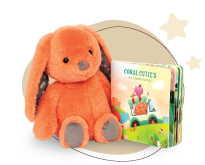
B. baby Soft Sensory Plush Collection
Ultra-soft developmental companions featuring multi-textured fabrics, embroidered facial details, and internal soothing rattles.
- • Target Age: 0 to 18 Months
- • Key Fabrics: Velvet plush, ribbed corduroy, satin tags
- • Certifications: ASTM F963, EN71, ISO 8124
- • B2B Option: Custom colorways & OEM packaging
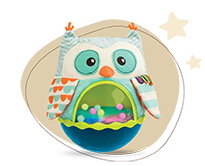
Tactile Soft Sensory Activity Blocks
Stackable, squeezable soft fabric blocks designed to build gross motor control and tactile discrimination.
- • Target Age: 3 to 24 Months
- • Key Features: Peek-a-boo mirrors, chime bells, teethers
- • Material: Non-toxic polyester, BPA-free silicone
- • B2B Option: Private label branding available

Ergonomic Sensory Rattle & Teether Plush
Easy-grasp sensory soft toys optimized for small palmar grasps and safe oral exploration during early teething.
- • Target Age: 0 to 12 Months
- • Key Features: Ergonomic ring handle, textured teether
- • Safety: Machine washable, drop-tested
- • B2B Option: Retail display FSDU packaging
3. Future Procurement Trends in the Infant Soft Toy Sector (2025–2030)
Sourcing executives planning inventory roadmaps for upcoming retail seasons must account for four macro trends currently restructuring the global infant category:
A. Sustainable & Recycled Circular Materials (rPET)
Environmental governance (ESG) compliance has shifted from an optional marketing angle to a mandatory retail vendor requirement. Global buyers are rapidly phasing out virgin synthetic polyester fillings in favor of Global Recycled Standard (GRS) certified recycled PET (derived from post-consumer water bottles). Modern manufacturing technologies allow rPET fiberfill to achieve identical softness ratings (1.5D to 3D staple length) and flame-retardant properties without harmful chemical additions.
B. Neurologically Validated Color Palettes
Historically, infant plush relied on either ultra-saturated primary colors or faint pastel washes. Current pediatric vision insights show that newborns respond best to high-contrast monochrome patterns (black, white, high-chroma red) during their first 90 days, transitioning into warm, earth-toned muted shades (terracotta, sage, mustard, warm mauve) as visual tracking matures. Brands such as B. toys lead this trend by combining rich, sophisticated color palettes with high-contrast structural accents.
C. Hygenic Maintainability & Sealed Electronic Modules
Post-pandemic parental concern regarding bacterial growth in soft toys has accelerated demand for fully machine-washable sensory plush. Toys incorporating sound chips, light elements, or vibration motors now require sonic-welded waterproof internal capsules or removable battery housings to survive standard home washing machine cycles (30°C/86°F gentle cycles) without degrading internal electronics.
D. Plastic-Free and FSC-Certified Packaging Architectures
In accordance with European single-use plastic directives and global retailer mandates, packaging must minimize window film plastics (PVC/PET). Leading suppliers are utilizing FSC-certified recycled paperboard with soy-based ink printing and cotton twine ties, significantly reducing retail carbon footprints while enhancing unboxing aesthetics.
| Procurement Metric | Legacy Plush Manufacturing | Next-Gen B. toys Standards | B2B Buyer Value Impact |
|---|---|---|---|
| Primary Outer Fabric | Standard Virgin Polyester Velvet | OEKO-TEX Class 1 Certified Micro-Velboa & Organic Cotton | Zero skin irritation; zero toxic residue; premium hand-feel. |
| Internal Fiber Stuffing | Unsorted Synthetic Polyfill | 100% GRS-Certified Recycled Polyester (rPET) | Meets strict corporate ESG goals & EU Eco-label standards. |
| Facial Details | Glued Plastic Eyes/Noses | 100% High-Density Silk Embroidered Features | Eliminates choking hazards (zero small parts pull-test failures). |
| Acoustic Components | High-Decibel Uncalibrated Squeakers | Decibel-Restricted (<65dB) Gentle Chimes & Crinkle Foils | Protects delicate infant hearing; prevents sensory overload. |
| Testing & Compliance | Batch-level Third-Party Testing | 100% In-Line Metallurgical Detection & Dual-Lab Audits | Guarantees zero needle fragment contamination across shipments. |
4. Product Development Trends: Engineering Neurological Soft Toys
Designing an high-performing infant sensory soft toy requires a multi-disciplinary approach blending biomechanical safety, sensory integration therapy principles, and industrial design precision. When evaluating OEM/ODM manufacturing proposals, procurement teams should analyze how a product stimulates the five primary infant sensory pathways:
- Tactile Discrimination (The Somatosensory System): Incorporating contrasting textures—such as smooth satin ribbons, ribbed corduroy, soft Sherpa fleece, and raised silicone nubs—promotes tactile mapping in the infant brain. Varying textile friction helps infants differentiate between smooth, rough, soft, and firm surfaces.
- Auditory Localization: Integrating soft mechanical chimes, rustling crinkle paper (PET food-contact rated), and gentle rattle beads encourages infants to turn their heads toward sound origins, enhancing auditory tracking and spatial awareness.
- Visual Fixation & Depth Perception: Utilizing embroidered facial features with wide-set eyes triggers natural human face-recognition instincts in infants. Contrasting pattern panels foster visual focus and binocular convergence.
- Proprioceptive & Palmar Grip Development: Squeezable soft density plush allows infants to practice hand closure and release. Ergonomic handle diameters (between 18mm and 25mm) match natural infant grasping dimensions, encouraging independent play.
- Oral Exploration & Teething Safety: Because infants explore their environment orally, soft toys frequently incorporate attached teething elements. These parts must be molded from 100% food-grade silicone or TPE, entirely free from Bisphenol A (BPA), Phthalates, Lead, and Cadmium.
5. Why Global Procurement Directors Choose B. toys (Maison Battat Inc.)
Sourcing plush and sensory products for global retail chains requires a manufacturing partner with proven operational scale, unquestioned safety credentials, and robust supply chain resilience. As a brand of Maison Battat Inc.—a family-owned global enterprise with over 125 years of business heritage and over 25 years of specialized toy design experience—B. toys represents the pinnacle of reliability in international retail supply.
Stringent Quality Assurance
Our manufacturing facilities operate under strict ISO 9001 quality systems. Every soft toy undergoes 100% X-ray and dual metal-detection screening to ensure no broken needles or metal particles enter the final packaging.
Global Compliance Mastery
Products are fully certified for global distribution, complying with US ASTM F963, EU EN71 (Parts 1, 2, 3 & 9), Canada Toys Regulations (SOR/2011-17), Australia/New Zealand AS/NZS ISO 8124, and GB 6675 standards.
Vertical OEM/ODM Capability
From initial rapid 3D prototyping and custom fabric dyeing to automated embroidery, high-capacity stitching, and custom display packaging, we provide end-to-end manufacturing solutions for major global importers.
Ethical & Sustainable Production
Our production facilities are BSCI, SMETA (Sedex), and ICTI CARE certified, guaranteeing fair labor practices, safe working environments, and progressive environmental management systems.
Maison Battat’s global distribution footprint spans over 40 countries, supplying top-tier brick-and-mortar retail chains, specialized educational toy distributors, and leading e-commerce platforms. Our dedicated quality engineering team monitors changing international chemical restrictions (such as EU REACH Annex XVII updates and California Proposition 65 lists) in real-time, ensuring your inventory remains 100% compliant across all destination markets.
6. Frequently Asked Questions: B2B Sourcing for Infant Sensory Soft Toys
Q1: What are the primary mechanical and physical safety tests required for importing infant soft toys into North America and Europe?
Answer: Infant soft toys (intended for ages 0–36 months) are subject to the strictest regulatory scrutiny. Key mandatory tests include: 1) Torque & Tension Pull Testing: All seams, embroidered parts, attached ribbons, and teethers must withstand a continuous pull force of up to 15 lbs (70N) under ASTM F963 and 90N under EN71 without separating or creating small parts that fit inside a small parts cylinder. 2) Flammability Testing: Fabrics must exhibit a rate of flame spread below 0.1 inches per second under 16 CFR 1500.44 / EN71 Part 2. 3) Chemical & Heavy Metal Analysis: Fabrics and plastics must pass total Lead content (<90ppm), Phthalate content (<1000ppm across 8 restricted plasticizers under CPSIA/REACH), and EN71-3 migration of 19 toxic heavy elements.
Q2: How do you guarantee fabric non-shedding and prevent fiber inhalation risks for newborns?
Answer: Fiber shedding (pile loss) is controlled through strict fabric specification engineering. We utilize high-density knitted backing layers (such as micro-velboa and combed short-pile velours) where loop structures are thermal-bound to the substrate. Prior to cutting, fabrics undergo vacuum tumbling to remove loose edge fibers. Finished toys undergo sticky-roller lint extraction and a rigorous brush-pull fatigue test during inline QA inspections to ensure zero fiber detangling during heavy infant mouth exploration.
Q3: What are the standard Minimum Order Quantities (MOQs) and production lead times for OEM/ODM soft toy orders?
Answer: For standard catalog inline SKUs from the B. baby range, MOQ start at flexible box-carton quantities for established distributor accounts. For custom OEM/ODM private label projects, typical MOQs range between 2,000 and 5,000 units per style, depending on fabric customization and custom dye lots. Production lead times average 45 to 60 days following pre-production sample (PPS) approval, with air-freight or sea-freight shipping scheduled directly to your regional distribution centers.
Q4: How does sensory toy design directly impact infant cognitive milestone achievement?
Answer: Sensory soft toys act as early neural catalysts. Multi-textured fabrics stimulate tactile receptors in the fingertips, which sends signals to the somatosensory cortex, reinforcing nerve pathways responsible for sensory processing. Integrated sound elements (crinkles, rattles) build an understanding of cause-and-effect (e.g., "When I squeeze this plush wing, it makes a sound"), which serves as a foundational building block for cognitive problem-solving and intentional motor planning.
Q5: Can Maison Battat provide GRS-certified organic fabrics and plastic-free packaging options?
Answer: Yes. We offer comprehensive green-line manufacturing suites. Buyers can specify 100% GOTS-certified organic cotton outer skins, GRS-certified recycled polyester stuffing, and FSC-certified unbleached kraft packaging with zero single-use plastic fasteners. Full material chain-of-custody certificates (Transaction Certificates / TCs) are provided with every shipped production batch.
Q6: What measures are taken to eliminate metal needle contamination in soft plush production?
Answer: Factory safety protocols follow a strict Closed Needle Control Policy. Sewing operators are issued numbered needles; broken needle fragments must be collected and accounted for in a central log before a replacement needle is checked out. Furthermore, 100% of finished plush items pass through automated conveyor belt metal detectors (capable of detecting ferrous particles down to 0.8mm) immediately prior to master carton packing.
7. Partnering with B. toys for International Retail Success
Selecting the right manufacturing partner for Infant Sensory Soft Toys is critical to safeguarding brand reputation, avoiding costly product recalls, and maximizing consumer lifetime value. By pairing developmental play design with uncompromising safety engineering and agile global supply chain solutions, Maison Battat and B. toys provide an unbeatable operational foundation for enterprise retailers worldwide.
To request commercial price lists, receive product specification sheets, or review factory audit documentation, click the link below to connect directly with our international wholesale team.